Saturday, 30 January 2010

Just Read It!

Hello :-)

Do you remember that I said I wanted to give you an award by Christmas time, but with the removals, my mother's visit, my studies, etc, it was not possible. I thought maybe in the 6th of January, but no. Busy times, indeed...

Presepio had already received several awards, but I always said that the first one to be shared here it would be the first one giving by Presepio.

Yesterday, Presepio received another award, very beautiful indeed, that I want to share, because of the challenge associated :-)

So, I decided to anticipate Presepio's first award, so I can answer to Isabella's challenge, without breaking my promise.

I decided also to create several awards, according with the blogs that I visit.

The first category goes to the expat blogs that I read.

These experience exchanges are very useful and very amusing to me! We are learning so much about ourselves, aren't we? :-)

It is a pleasure to read each one of your blogs. So, I want to tell others to do it too.

"Just read it!" because it's worth it!

I feel that we are growing up together in this challenge!

Thank's a lot, girls!

From Selos Presepio


A Touch of Dutch

Clogs and Tulips

From Argentina to Holland

Greetings from Holland

Just a Plane Ride Away

Orangesplaash

The Path Untaken


Next saturday, it will be another category :-)

Have a nice weekend! ;-)

Friday, 29 January 2010

Monsaraz and Evora by Tessa de Loo

Alentejo, south province of Portugal

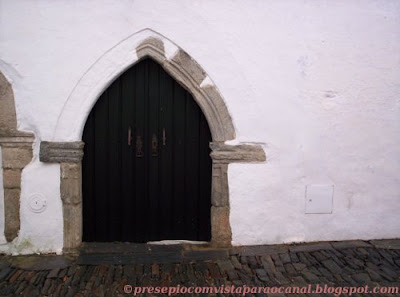
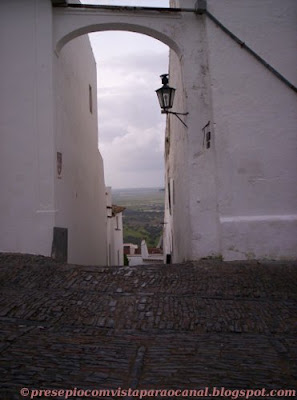
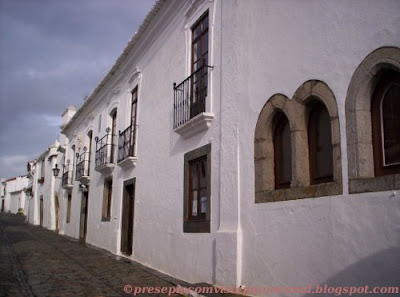
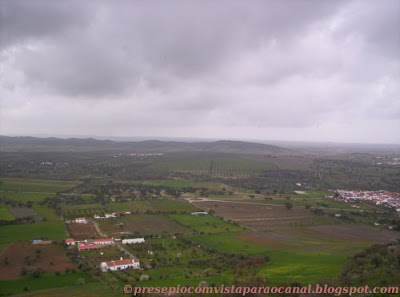
Monsaraz

"Tijdens de tocht langs de Spaanse grens domineren hooggelegen vestingstadjes als Monsarraz het landschap, van waaruit eeuwenlang het gevaar uit het oosten het hoofd moest worden geboden. Wie hier door de smalle straatjes slentert, voortdurend klimmend of dalend, voelt zich wel erg ver weg van de 21e eeuw." (Tessa de Loo)


Tessa de Loo has been also in Alentejo, where she visited Monsaraz, one of the fortress-towns, as she says (vestingstadjes), with an eminent position (hooggelegen) in the landscape (landschap) because of their defensive role nearby the frontier (grens) with Spain.

Monsaraz with its typical little streets (straatjes) where we can have constant up and down strolls, feeling quite far from the 21 st century...as she says and I agree...

I love Monsaraz, for several reasons, it's a very special place for me :-)

From Portugal


From Portugal


From Portugal


From Portugal


From Portugal


From Portugal


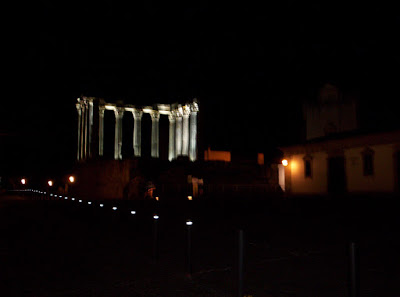
In Evora, UNESCO World Heritage Site, Tessa points out the landmark of the city, the Roman Temple...

" Via Evora, gebouwd rond de resten van een Romeinse tempel..." (Tessa de Loo)

Templo Romano, Evora

From Portugal


"The Roman Temple of Évora (also referred to as the Templo de Diana, after Diana, the ancient Roman goddess of the moon, the hunt, and chastity) is an ancient edifice in the city of Évora, Portugal. The temple is part of the historical centre of the city, classified as a World Heritage Site by UNESCO. It is one of the most famous landmarks of Évora and a symbol of Roman presence in Portuguese territory."

(From Wikipedia)

(to be continued)

Thursday, 28 January 2010

Tavira" is het mooiste stadje van de Algarve", Tessa de Loo

"Tavira, ook wel het Venetië van Portugal genoemd, is het mooiste stadje van de Algarve. Gezien het grote aantal oude kerken en kloosters (37) is het misschien ooit ook het meest katholieke stadje geweest."

Tessa de Loo

This Nederlander writer had visited too the lovely town of Tavira, in Algarve (south of Portugal).

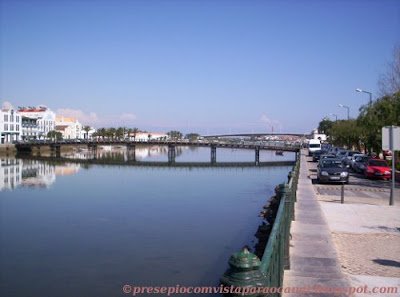
She begins to say that Tavira is known as Portugal's Venice...

We can see why ;-)

From Portugal


She says that Tavira is the most beautiful town in Algarve ...

Let's see ;-)

From Portugal


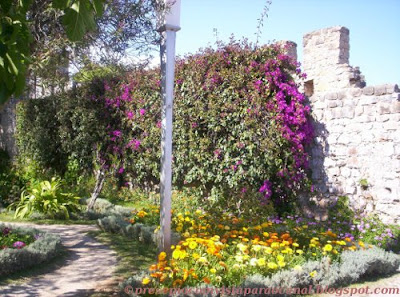
Here, in the Castle, with its beautiful gardens...

From Portugal


From Portugal


From Portugal


From Portugal


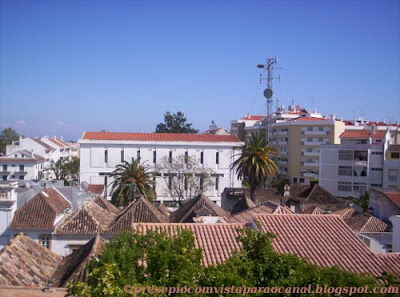
(the typical "scissors" roofs of Tavira)

From Portugal


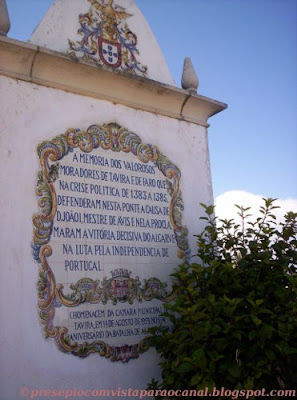
In the main square, this monument to the memory of the people of Tavira who had helped King Dom Joao I to secure our independence in the Crisis of 1383-1385.

From Portugal


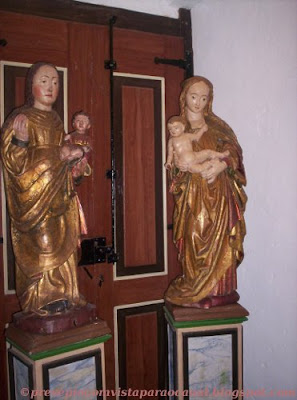
...also a very catholic town with many churches and cloisters...

From Portugal


And I must say, I agree with her...Tavira "is het mooiste stadje van de Algarve" ;-)

From Portugal

More Palaces in Sintra:Pena and Seteais...

Sintra...

3. Palacio da Pena/Pena Palace

Ergue-se la no alto...It stands on the high ...

I took this photograph at the top of the gardens of the Palace, where Queen Dona Amelia used to sit to enjoy the panoramic views. They call those stones, the Throne ...

From Portugal


"The palace stands on the top of a hill above the town of Sintra, and on a clear day it can be easily seen from Lisbon and much of its metropolitan area. It is a national monument and constitutes one of the major expressions of 19th century Romanticism in the world. The palace is a UNESCO World Heritage Site and one of the Seven Wonders of Portugal. "

(From Wikipedia)

The magic is bigger when it gets clouded by the fog ...

From Portugal


Please click on the first link of this post to see the fotos of the magnificent rooms and exquisite art pieces...

"In 1838, as King consort Ferdinand II, he decided to acquire the old monastery, all of the surrounding lands, the nearby Castle of the Moors and a few other estates in the area. King Ferdinand then set out to transform the remains of the monastery into a palace that would serve as a summer residence for the Portuguese royal family. The commission for the Romantic style rebuilding was given to Lieutenant-General and mining engineer Baron Wilhelm Ludwig von Eschwege. Eschwege, a German amateur architect, was much traveled and likely had knowledge of several castles along the Rhine river. The construction took place between 1842-1854, although it was almost completed in 1847: King Ferdinand and Queen Maria II intervened decisively on matters of decoration and symbolism. Among others, the King suggested vault arches, Medieval and Islamic elements be included, and he also designed an exquisitely ornate window for the main façade (inspired by the chapter house window of the Convent of the Order of Christ in Tomar)."

(From Wikipedia)

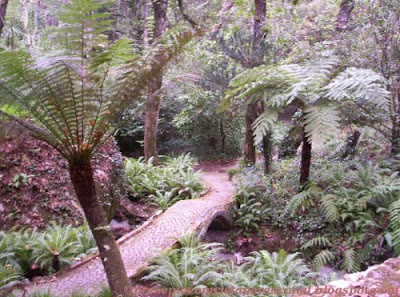
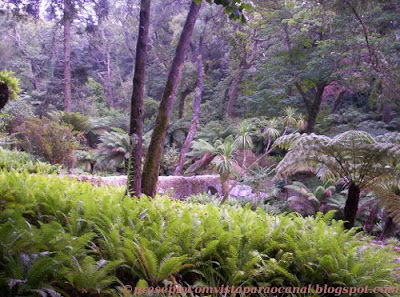
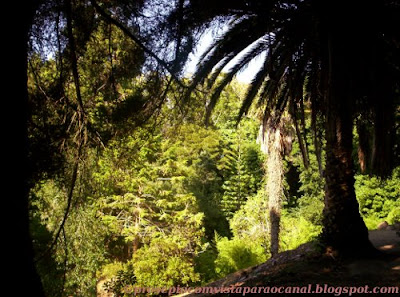
The Gardens...

Os Jardins deste Palacio sao luxuriantes e encantadores, plenos de recantos, pontes, lagos, arvores frondosas, cisnes, estatuas,...

From Portugal


From Portugal


From Portugal


"The exotic taste of the Romanticism was applied to the park as it was to the palace. The king ordered trees from diverse, distant lands to be planted there. Those included North American Sequoia, Lawson's Cypress, Magnolia and Western Redcedar, Chinese Ginkgo, Japanese Cryptomeria, and a wide variety of ferns and tree ferns from Australia and New Zealand, concentrated in the Queen's Fern Garden (Feteira da Rainha). The park has a labyrinthic system of paths and narrow roads, connecting the palace to the many points of interest throughout the park, as well as to its two gated exits."

(From Wikipedia)

From Portugal


From Portugal


From Portugal


From Portugal


I leave you with the roses of Queen Dona Amelia ...

From Portugal


...is now late afternoon, so you must go to ...

4.Seteais...

"The Seteais Palace is a neoclassical palace located in Sintra, Portugal. The palace is nowadays a luxury hotel, restaurant and a tourist attraction included in the Cultural Landscape of Sintra, listed as World Heritage Site by UNESCO."

(From Wikipedia)

and follow the advice of Tessa de Loo: take a glass of port on the terrace ...:-)

"Niets is fijner dan aan het eind van de middag op het terras van de Quinta de Seteais (in de 18e eeuw gebouwd door een Hollandse koopman, Braamcamp geheten) een glas port te drinken."

Vale a pena, sei por experiencia propria, pena que nao tenha nenhuma foto desse fim de tarde....

Sintra tem muito mais para visitar:praias, serra, miradouros, e locais unicos como o Convento dos Capuchos e a Quinta da Regaleira....

See this post in the blog Dutched Pinay about Quinta da Regaleira and Seteais Palace...amazing fotos, by the way...

Sintra is unique ... not surprising, therefore, that has enchanted writers like Hans Christian Andersen or Lord Byron, as stated, well, Tessa de Loo.

"De romantische sfeer trok ook schrijvers en dichters uit den vreemde aan, als Hans Christiaan Andersen, Lord Byron en William Beckford, die een geestig dagboek schreef over zijn verblijf."

Let us therefore follow the example of these writers ...

Have a wonderful time in Sintra!

Monday, 25 January 2010

"Reizen door Portugal is reizen door het verleden", Tessa de Loo

Portugal: The Oldest European Nation...

"Reizen door Portugal is reizen door het verleden."

(Tessa de Loo, nederlander writer, who has been living in Portugal since the eighties.)

" Viajar por Portugal e viajar pelo passado." diz-nos Tessa de Loo, autora do celebre romance De Tweeling (1993), que vive em Portugal desde os anos oitenta.

Tessa de Loo tells us about her trip in the south of Portugal in Byblos Reizen.

Tessa was in the magical town of Sintra, nearby Lisbon...

"In Sintra herinneren paleizen en quinta’s temidden van weelderige parken en tuinen eraan dat hier ooit de zomerresidentie van de koningen en de adel was."

Tessa de Loo comeca por nos falar de Sintra, dos seus palacios (paleizen) e quintas, rodeados por luxuriantes (weelderige) parques (parken) e jardins (tuinen), onde os reis (koningen) e a nobreza (adel) se alojavam no Verao.

Let me show you what she is talking about...

1.Palacio Nacional de Sintra/ National Palace of Sintra

The only surviving palace of the Middle Ages and Royal Residence for more than six centuries.

From Portugal


Click on the links below to see the beautiful fotos of the rooms:

Sala dos Cisnes;
Sala das Pegas;
Sala Arabe;
Sala dos Brasoes;
Quarto D. Afonso VI;
Capela Palatina;
Cozinha;


and, of course, the exquisite tiles of the Palace...

So, did you like the fotos? What is your favourite room? Did you notice the Arabic influence in the tiles? :-)
Have you ever been in this Palace? How was your experience? If so, please tells us about ;-)

2.Palacio de Monserrate e os seus jardins luxuriantes/ Monserrate Palace and Gardens

"It was built in 1858 for Sir Francis Cook, an English baronet created visconde de Monserrate by King Luís. Monserrate turned to an English architect, James Knowles Jr., for designs. Though its Moghul-inspired details are unique in Portugal, its eclecticism is a fine example of the Sintra Romanticism."

(From Wikipedia)

From Portugal


From Portugal


From Portugal


From Portugal


The Monserrate Palace was visited by Lord Byron, an english poet of the 19th century.
He was there in 1809 as you can read in his poem "Childe Harold's Pilgrimage".

Please, click here to watch some slides about this magnificent Palace.

(to be continued)

Saturday, 23 January 2010

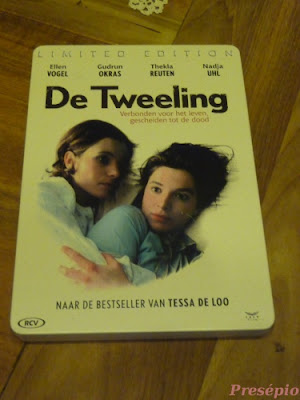
De Tweeling e da minha vontade de ler em Neerlandes

"Everyone was glad the war was over. It was time to celebrate! Nine months later a baby-boomer was born in Bussum. That was me. "

From: http://www.tessadeloo.nl/Submenus/Engelse%20site/Biography.htm

É assim que a escritora neerlandesa, Tessa de Loo, autora do célebre romance De Tweeling (1993), comeca a sua biografia no seu site oficial. Com humor! ;)

Há dois meses, vi o filme (2002) baseado no livro acima referido de Tessa de Loo. Fiquei calada por uns momentos quando terminei de ver. Gostei muito. Tocou-me. À Macau, agradeco por tê-lo sugerido.

From Coisas Minhas


Gostei tanto do filme que decidi ler o livro em Neerlandês. Quero conhecer a autora nas nuances, no sentido de humor, na ironia, na emotividade da escrita, nas expressões idiomáticas.

Sinopse do livro:

"Two elderly women, one Dutch and one German, meet by chance at the famous heath resort of Spa. The recognize in the other their twin sister they believed to be lost. They begin to tell each other their life stories - the last chance to bridge a gulf of almost seventy years.

Born in Cologne in 1916, the twins are brusquely separated from each other after the death of their parents. Anna grows up with her grandfather, in a primitive farming and Catholic milieu on the edge of the Teutoburgerwald. Lotte ends up in the Netherlands because of her TB, living with an uncle who harbours strong socialist sympathies. Bad relationships between the families and the intervening war cause the contact between the two sisters to be broken. When their paths cross again so late in life, Lott, who sheltered Jews in hiding during the war, is initially extremely suspicious of her newly-found twin sister. But through Anna's painful stories she is confronted with the other side of her own reality: the sufferings of ordinary Germans in wartime."

From: http://www.tessadeloo.nl/Submenus/Engelse%20site/Vertalingen.htm#twins

From Coisas Minhas


Decidi mais. Decidi que quero saborear na sua língua materna, os poetas e os escritores do país que me acolheu.

Vai exigir muito trabalho, muita hora de volta do dicionário, mas o gosto pela literatura impulsiona-me a aprender a língua.
Irá ser um trabalho demorado, mas também por isso, mais saboroso, mais pessoal, com a minha própria agenda e o meu próprio ritmo. Com gosto e muito gozo ;)

Curiosidade: Tessa de Loo vive actualmente e desde os anos 80, em Portugal, mais precisamente, em Loulé.

E porque eu gosto de descobrir pontes entre os dois países, este factor acabou tambem por me motivar ainda mais.

Da viagem da autora em Portugal, falarei no próximo post.

Ainda outra curiosidade: há dias, em Den Haag, cruzei-me na rua, com Ellen Vogel, a actriz que interpreta no filme, o papel da idosa Lotte.

Sorri perante a surpresa :-) Sabia que a senhora tinha nascido lá, mas nao estava a espera de encontrá-la :-)


Bom fim-de-semana!

N.B.: De Tweeling está editado em Portugal pela Quetzal Editores.

Thursday, 21 January 2010

Girl with a Pearl Earring...and Eduardo Serra

Yesterday, I have told I was at Mauritshuis, seeing the painting from Vermeer, Girl with a Pearl Earring.

Remember the movie?

Girl with a Pearl Earring


The beautiful photography of this film is from the portuguese Eduardo Serra, for which he won the following awards:

2004 - Girl with a Pearl Earring Best European Cinematographer - European Film Academy
2003 - Girl with a Pearl Earring Best Photography Festival de San Sebastian
2003 - Girl with a Pearl Earring Bronze frog - Camerimage Lodz - Polónia

"Eduardo Serra (born 2 October 1943) is a cinematographer from Lisbon, Portugal, twice nominated for Academy Awards for Best Cinematography.
From 1960 to 1963, Serra studied engineering at Lisbon's Instituto Superior Técnico, but he had to leave the country after his involvement in students' protests against Salazar's dictatorship. He settled in France, where he was accepted to Vaugirard film school in Paris; he graduated in 1966. In 1970 he got his second degree from the University of Paris-Sorbonne, in Art History and Archeology.[1]
Eduardo Serra received Academy Award nominations for Best Cinematography for his work on The Wings of the Dove (1997) and Girl with a Pearl Earring (2003). He has also received BAFTA nominations for his work in these films.
In 2004 Eduardo Serra received the Ordem do Infante D. Henrique, a civilian award presented for services to Portuguese culture, from President Jorge Sampaio.
He will provide the photography for Harry Potter and the Deathly Hallows, released 2010 and 2011."

(From Wikipedia)